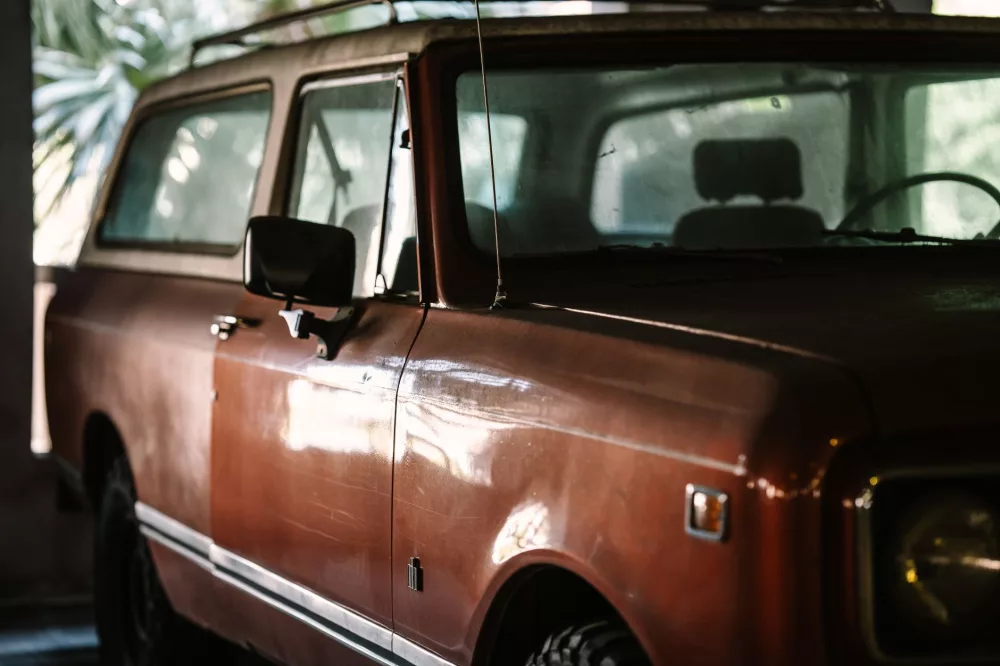
I've got to tell you, the automotive world is buzzing with anticipation, and for good reason. When I first heard the news about Scout Motors, I was instantly intrigued. It isn't just another new electric vehicle company popping up; this is something far more significant. We're talking about the resurrection of an absolute American legend, the International Harvester Scout, now under the stewardship of none other than Volkswagen. It's a fascinating blend of rugged heritage and cutting-edge electric ambition, and I genuinely believe it has the potential to shake things up.
My mind immediately goes back to the original Scout. You know, that boxy, no-nonsense utility vehicle from the 60s and 70s? It was basically a pioneer in the SUV segment, way before SUVs were even a thing. International Harvester, known primarily for its farm equipment and heavy trucks, decided to jump into the recreational vehicle market, and boy, did they create something special. The Scout 80, then the Scout 800, and finally the iconic Scout II – they weren't about flashy luxury. Instead, they offered unparalleled toughness, genuine off-road capability, and a utilitarian charm that resonated deeply with folks who loved the outdoors.
The Legacy of a True Off-Road Pioneer
Let's take a quick trip down memory lane, shall we? The International Harvester Scout was born in 1961, essentially as a competitor to the Jeep CJ. But it quickly carved out its own identity. It was ahead of its time in many ways, offering features like a removable hardtop or soft top, four-wheel drive, and a choice of robust engines. Owners loved how durable these machines were. You could beat them up on a trail all weekend, hose them out, and they'd be ready to go again on Monday morning. They were simple, repairable, and utterly dependable. This isn't just nostalgia talking; it's a recognition of a truly well-built vehicle that earned its stripes. The Scout II, produced from 1971 to 1980, is perhaps the most recognizable of the bunch, with its distinctive styling and continued focus on rugged performance. When International Harvester faced financial troubles and stopped production in 1980, it left a void, and classic Scout vehicles have commanded a strong following ever since.
Why Volkswagen Stepped In
So, with all that history, why would Volkswagen, a German auto giant known for its precision engineering and passenger cars, decide to bring back an old American workhorse? Well, it's a smart move, if you ask me. VW has been quite clear about its ambitious electrification plans, and a huge part of that is expanding its presence in the North American market. They've recognized that there's a massive, underserved segment for truly rugged, off-road capable electric SUVs and trucks here. Brands like Rivian have proven there's a demand, but there's still plenty of room for competition, especially one backed by a strong legacy.
- Tapping into Heritage: Volkswagen acquired the rights to the Scout name and its intellectual property through its Traton Group, which owns Navistar, the successor to International Harvester. This gives them instant credibility and a built-in fanbase.
- Meeting Market Demand: The North American appetite for SUVs and pickup trucks, particularly those with off-road prowess, remains insatiable. Combining that with the rapidly growing EV market creates a perfect storm for Scout.
- Strategic North American Focus: This isn't just a global EV play; it's specifically tailored for the US market, where VW wants to grow its footprint significantly.
They're not just slapping a new badge on an existing platform; they're creating a completely new, independent company, Scout Motors Inc., based right here in the U.S. This separation allows them to operate with agility, focusing solely on the unique requirements of this new brand and its target audience.
What to Expect from the New Scout Vehicles
This is where it gets really exciting. Scout Motors isn't just launching one vehicle; they're planning a full family of all-electric, rugged SUVs and pickup trucks. We've seen some teaser sketches, and what I've gathered is that they aim to maintain that iconic, boxy, utilitarian aesthetic of the original Scout, but with a thoroughly modern, electric twist. I'm expecting something that looks tough, capable, and ready for adventure, not just suburban errands.
Think about it: an electric powertrain naturally lends itself to off-roading. Instant torque, precise motor control, and potentially innovative four-wheel-drive systems without complex mechanical linkages. I can imagine these new Scouts having impressive ground clearance, robust suspension, and perhaps even features like 'tank turn' capabilities or advanced traction management systems, much like what some competitors are offering.
My hope is that they'll prioritize functionality and durability over excessive luxury. While I'm sure there will be plenty of modern tech inside, I'd love to see a focus on easy-to-clean interiors, durable materials, and practical storage solutions, echoing the original Scout's workhorse nature. We need vehicles that aren't afraid to get dirty!
A New Home in South Carolina
One of the most concrete steps Scout Motors has taken is the announcement of its new manufacturing plant. They're investing a staggering $2 billion in a state-of-the-art facility in Blythewood, South Carolina, creating over 4,000 new jobs. For me, this speaks volumes about their commitment to the American market and to establishing a truly American-made vehicle. It's not just an assembly plant; it's going to be a full-scale manufacturing hub, handling everything from stamping to painting and final assembly.
This plant is incredibly important for Scout's future. It allows them to control quality, optimize their supply chain, and tailor production specifically for North American demand. I'm also really happy to see the economic impact this will have on the region. It's a huge win for South Carolina and for American manufacturing as a whole.
The Road Ahead: Challenges and Opportunities
Of course, launching a new automotive brand, even one with a storied name, is no easy feat. Scout Motors will face its fair share of challenges. They'll need to:
- Build a Dealer Network: How will they sell and service these vehicles? Will it be a direct-to-consumer model, or will they leverage VW's existing network, or perhaps create a hybrid approach?
- Establish Brand Identity: While they have the legacy, they still need to define what the *new* Scout stands for in the modern EV era.
- Compete in a Crowded Market: The segment for rugged SUVs and trucks is getting tougher. They'll be up against established players like Ford (Bronco, F-150 Lightning), Jeep (Wrangler, Wagoneer S), and newer entrants like Rivian.
However, I think their opportunities far outweigh the challenges. Volkswagen's deep pockets and engineering expertise provide an incredible foundation. The emotional connection people have to the Scout name is a priceless asset. And the growing demand for truly capable, electric adventure vehicles means the timing couldn't be better.
From my perspective, Scout Motors isn't just about selling cars; it's about selling an experience, a lifestyle. It's about reconnecting with the spirit of adventure that the original International Harvester Scout embodied, but doing it in a way that's relevant and sustainable for the 21st century. I'm genuinely excited to see these vehicles hit the roads – and trails – and I have a strong feeling they're going to make a huge splash.