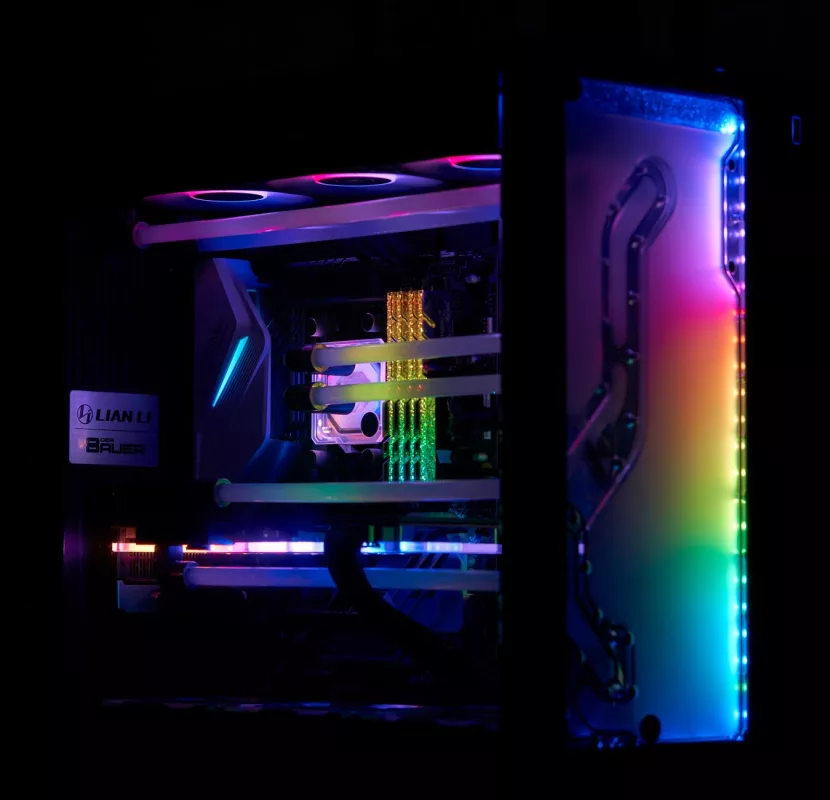
When we talk about building a PC, most folks immediately think about the CPU, GPU, RAM, or storage. And they should, those are the brains and brawn of our digital companions! But you know what? The case, often seen as just a box to hold everything, is actually a huge part of the experience. For me, the case is where personality truly shines, and that's why I'm so passionate about custom PC cases. It isn't just about functionality; it's about making a statement, optimizing performance in ways you can't with off-the-shelf solutions, and honestly, just having something that's uniquely yours.
We’re not just assembling parts here; we’re crafting a centerpiece, a personal monument to our digital lives. Going custom means you're taking your build beyond the ordinary, creating something that doesn't just run games or crunch numbers, but also looks incredible doing it. It’s a labor of love, and believe me, the satisfaction you get from powering on a machine housed in a case you designed or heavily modified yourself is truly unmatched.
Why Bother with a Custom PC Case?
You might be asking yourself, "Why go through all that trouble when there are so many great cases out there already?" And that's a fair question! But I think there are several compelling reasons why someone might embark on this journey:
- Unparalleled Aesthetics: Let's be real, many of us want our setups to look cool. A custom case lets you dictate every curve, every color, and every light. You can match it to your desk, your room, or even your personality. It's an extension of your artistic vision.
- Optimized Performance: This isn't just about looks. Sometimes, off-the-shelf cases simply don't offer the ideal airflow or radiator support for extreme cooling setups, especially if you're rocking a high-end CPU and GPU with custom water loops. A custom case can be designed to maximize cooling efficiency, ensuring your expensive components run at their best.
- Unique Form Factors & Functionality: Have you ever wanted a PC built into your desk? Or a super-slim wall-mounted rig? Or maybe one that folds up? A custom case opens up possibilities for unconventional designs that standard cases just can't offer. We're talking about integration that goes beyond a simple box.
- Personal Expression: It's a hobby, a passion, a way to show off your creativity and technical skills. There's a real sense of accomplishment in building something from the ground up, tailored precisely to your needs and desires.
The Spectrum of Customization
When I talk about "custom PC cases," I’m really thinking about a pretty wide range of projects. It isn't always about fabricating everything from raw metal sheets. We can break it down into a few main categories:
Modifying an Existing Case
This is probably the most accessible entry point for most people. You start with a commercially available case and then you go wild with it! I've seen some truly amazing transformations:
- Painting and Vinyl Wrapping: A fresh coat of paint or a sleek vinyl wrap can completely change the look of a plain black or white case. It's relatively inexpensive and can yield dramatic results.
- Panel Replacement & Fabrication: Swapping out side panels for tempered glass or custom-cut acrylic with etched designs is a popular mod. Some folks even create new top or front panels from scratch to improve airflow or change the aesthetic significantly.
- Internal Structure Mods: This can involve cutting out drive cages for better airflow, adding custom shrouds for power supplies, or integrating bespoke mounting brackets for reservoirs in a water-cooling setup. It’s more involved, requiring some tools, but it's incredibly rewarding.
- Lighting & Accessory Integration: Adding custom LED strips, unique fans, or small screens to display system info can make a case feel truly personal.
Semi-Custom and Boutique Builds
In this space, you might be buying a case from a smaller, specialized manufacturer that offers a high degree of modularity or customization options. Think about manufacturers who offer different panel materials, custom laser etching services, or unique layouts not found in mainstream brands. These often come with a higher price tag, but the quality and distinctiveness are usually worth it.
Full Custom Fabrications: Building From Scratch
Now this is where things get really interesting, and honestly, where my heart truly lies! This means designing and building the entire enclosure from raw materials. This requires a significant amount of skill, tools, and patience, but the results are breathtaking.
- Material Choices: Common choices include aluminum, steel, acrylic, and wood. Each has its pros and cons regarding weight, ease of work, thermal properties, and finish. I’ve seen some incredible builds using carbon fiber or even entirely 3D-printed designs.
- Design & Planning: You're the architect here. Every dimension, every mounting point, every airflow channel has to be considered. CAD software (like Fusion 360 or SketchUp) becomes your best friend for planning.
- Fabrication Techniques: This could involve cutting, bending, welding, drilling, tapping, and finishing. Knowing your way around a workshop or having access to fabrication services is key.
Essential Considerations Before You Dive In
Before you even think about cutting, painting, or ordering materials, I want you to carefully plan. Trust me, skipping this step leads to headaches!
- Component Compatibility: This is non-negotiable. You absolutely must know the dimensions of your motherboard (ATX, Micro-ATX, Mini-ITX), your GPU (length, height), your power supply (ATX, SFX), and especially your cooling solutions. If you're water cooling, you'll need to know radiator sizes, pump/reservoir dimensions, and tubing runs. There’s nothing worse than finishing a custom piece only to find your GPU won’t fit!
- Airflow and Thermal Performance: Don't just make it look good; make sure it breathes! Plan for intake and exhaust fans. Understand natural convection and direct airflow paths. If your components can't stay cool, your awesome custom case becomes a really expensive paperweight.
- Cable Management: This often gets overlooked, but it's crucial for both aesthetics and airflow. Think about routing channels, tie-down points, and space behind the motherboard tray. A messy interior can ruin the look and hinder cooling.
- Budget Realism: Custom work can get pricey. Tools, materials, custom components, and finishing services all add up. Be realistic about what you're willing to spend. Sometimes, a high-quality modified existing case can look just as stunning as a scratch build for a fraction of the cost.
- Your Skill Level & Tools: Are you comfortable with power tools? Do you have access to a workshop? Are you willing to learn new skills like welding or intricate cutting? Be honest with yourself. There’s no shame in starting small or commissioning a professional for parts of the build.
The Journey of Creation
From my experience, the process itself is a huge part of the fun. It’s a creative endeavor. You start with an idea, sketch it out, maybe model it in 3D, and then slowly bring it to life. Each cut, each bend, each coat of paint brings you closer to your vision. You'll make mistakes, I guarantee it. I certainly have! But learning from those mistakes, iterating, and perfecting your design is part of what makes custom building so incredibly satisfying.
Ultimately, a custom PC case isn't just about housing your components; it's about making a statement. It’s about creating a machine that truly reflects who you are and what you love about PC building. And let me tell you, that feeling of pride when you finally hit the power button on your own creation? That's what it's all about.