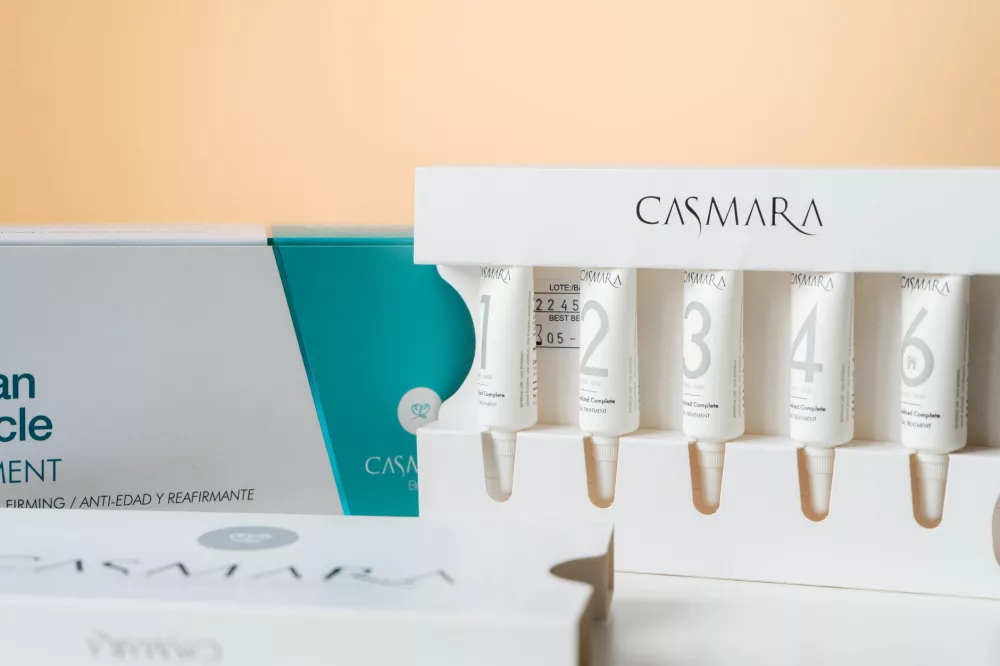
Understanding Active Skin Repair: More Than Just Moisturizing
You know, for years, I just thought skin care was about cleansing and slapping on a moisturizer. Boy, was I mistaken! As I've gotten older, and frankly, as I've learned more about dermatological science, I've come to appreciate the incredible capabilities of our skin – and how we can actively help it heal and rejuvenate itself. We're not talking about just covering up problems here; we're diving into the fascinating world of active skin repair. It's about giving your skin the precise tools it needs to recover, rebuild, and protect itself from the inside out.
Think about it: our skin is our body's largest organ, and it's constantly battling environmental stressors like UV radiation, pollution, and even just the wear and tear of daily life. This daily assault can lead to everything from fine lines and wrinkles to uneven tone, loss of elasticity, and a compromised skin barrier. When we talk about active skin repair, we're focusing on ingredients and practices that don't just soothe or hydrate temporarily, but actually communicate with your skin cells, prompting them to function more efficiently and repair damage at a cellular level. It's a game-changer for anyone serious about long-term skin health.
What Happens When Your Skin Needs Repair?
Before we jump into the 'how,' let's briefly touch upon the 'why.' Our skin is a complex, multi-layered organ. The outermost layer, the epidermis, acts as our primary shield. Beneath that is the dermis, where you'll find collagen, elastin, and hyaluronic acid – the structural components that give your skin its plumpness, elasticity, and hydration. Damage, whether from sun, inflammation, or aging, can compromise these layers. UV radiation, for example, breaks down collagen and elastin, leading to wrinkles and sagging. Inflammation can trigger a cascade of events that disrupt the skin barrier, making it more vulnerable. Scars form when the skin overproduces collagen in an attempt to heal a wound, often resulting in an uneven texture. Clearly, our skin's natural repair processes are vital, but sometimes, they need a little high-tech assistance.
The Power Players: Key Ingredients in Active Skin Repair
So, what exactly are these 'active' ingredients I keep mentioning? They're often potent compounds designed to target specific cellular pathways or structural components of the skin. Let me break down some of the superstars you'll want to look for:
- Growth Factors & Peptides: The Cellular Messengers
These are like the coaches of your skin cells, telling them what to do. Growth factors, naturally occurring proteins, signal cells to repair, regenerate, and produce more collagen and elastin. Peptides are short chains of amino acids, the building blocks of proteins. Specific peptides can mimic growth factors or signal collagen production, helping to improve skin firmness and elasticity. Using products with these ingredients can genuinely accelerate healing and cellular renewal. - Antioxidants: Your Skin's Personal Bodyguards
Free radicals, those unstable molecules generated by sun exposure and pollution, are notorious for damaging skin cells. Antioxidants – think Vitamin C, Vitamin E, Ferulic Acid, and even certain botanical extracts – neutralize these free radicals, preventing further damage and allowing the skin's natural repair mechanisms to function optimally. Vitamin C, in particular, is a powerhouse, not only fighting free radicals but also stimulating collagen synthesis. - Retinoids: The Gold Standard for Cellular Turnover
When it comes to comprehensive skin repair and anti-aging, retinoids (like retinol, retinaldehyde, and tretinoin) are hard to beat. They essentially 'normalize' cell turnover, meaning they encourage your skin cells to renew more rapidly and function like younger, healthier cells. This process helps to smooth fine lines, improve texture, reduce hyperpigmentation, and boost collagen production. It's a heavy hitter, and you'll often see remarkable improvements with consistent use. - Niacinamide (Vitamin B3): The Multitasker
Oh, how I love Niacinamide! This ingredient is incredibly versatile. It helps to strengthen the skin barrier, reduce inflammation and redness (making it great for acne-prone or sensitive skin), minimize pore appearance, and even improve skin tone. By fortifying the barrier, it helps your skin retain moisture and better protect itself from environmental aggressors, which is crucial for repair. - Ceramides, Hyaluronic Acid, and Fatty Acids: Barrier Reinforcers
A healthy skin barrier is fundamental to repair. Ceramides are lipids that make up a significant portion of your skin barrier, acting like mortar between bricks to keep everything intact. Hyaluronic acid is a humectant, meaning it draws and holds moisture, plumping the skin and aiding in wound healing. Essential fatty acids nourish the skin and support barrier function. When your barrier is compromised, your skin can't heal effectively, so replenishing these components is an active step in repair. - Centella Asiatica (Cica): The Soothing Healer
Hailing from traditional medicine, Centella Asiatica, often called Cica, is celebrated for its soothing, anti-inflammatory, and wound-healing properties. It's fantastic for calming irritated skin and supporting the natural repair process, particularly after procedures or when dealing with redness.
Who Benefits Most from Active Skin Repair?
Honestly, almost everyone can benefit, but certain skin concerns really shine with an active repair approach. If you're dealing with:
- Signs of Aging: Fine lines, wrinkles, loss of firmness, and elasticity.
- Sun Damage: Hyperpigmentation (sunspots), rough texture, and general photoaging.
- Acne Scars: Helping to improve the appearance of post-inflammatory hyperpigmentation and textured scars.
- Compromised Barrier: Dryness, sensitivity, redness, and irritation.
- Post-Procedure Healing: After treatments like peels, microneedling, or lasers, active repair ingredients can significantly aid recovery.
It's about being proactive, you know? Not just waiting for problems to get worse, but actively working with your skin to maintain its health and resilience.
Building Your Active Repair Routine: It's Not as Complicated as You Think
Incorporating active repair ingredients doesn't mean overhauling your entire routine overnight. It's a gradual process, and consistency is absolutely key. Here's a general framework I often suggest:
- Cleanse Gently: Start with a mild, hydrating cleanser. You don't want to strip your skin, especially when it's trying to repair itself.
- Target with Serums: This is where your active ingredients usually come in. Layer a serum containing growth factors, peptides, vitamin C, or niacinamide after cleansing. If you're using a retinoid, it's typically applied at night.
- Moisturize & Protect Your Barrier: Follow up with a rich, ceramide- or fatty acid-based moisturizer to lock in those actives and support your skin barrier.
- Don't Forget SPF: Seriously, this is non-negotiable. If you're actively repairing your skin, you must protect it from new sun damage. Daily, broad-spectrum SPF 30 or higher is essential.
Listen to your skin. Introduce new actives one at a time, and start with lower concentrations, especially with retinoids. Some discomfort, like mild dryness or redness, can occur initially, but persistent irritation means you might need to adjust your routine.
Setting Realistic Expectations: Patience is a Virtue
Here's the thing about active skin repair: it's not a magic bullet. You won't see dramatic changes overnight, and anyone promising that is probably selling you snake oil. Real cellular repair takes time – weeks, even months, for visible improvements. Consistency is far more important than intensity. I've personally found that sticking with a well-formulated routine, day in and day out, yields the most impressive and lasting results.
Ultimately, investing in active skin repair is about investing in your skin's long-term health and vitality. It's about empowering your skin to be its best, most resilient self, capable of shrugging off daily insults and maintaining that healthy, vibrant glow we all desire. You've got this, and your skin will thank you for it!